March 5, 2026
In the contemporary landscape of property management and structural maintenance, establishing a systematic framework for identifying water damage is not merely advisable—it is a strategic imperative. Within this comprehensive narrative, we will explore multiple vectors of water damage identification with an emphasis on operational clarity, organizational insight, and actionable diagnostics. At Bluegrass Waterproofing & Restoration, aligning proactive detection with robust mitigation strategies empowers stakeholders to safeguard assets, enhance lifecycle performance, and elevate the value proposition of every built environment.
1. Recognizing Visible Surface Indicators
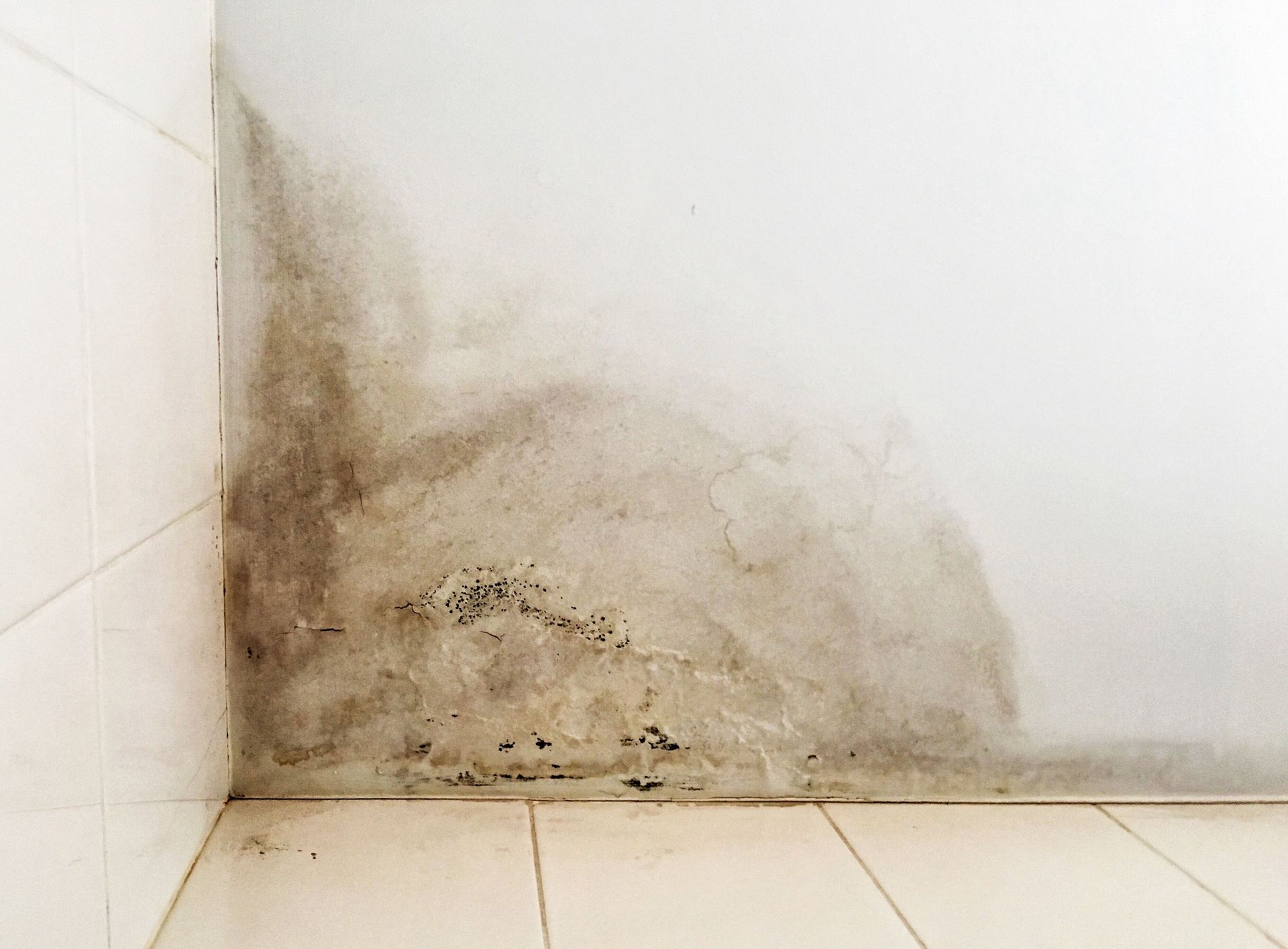
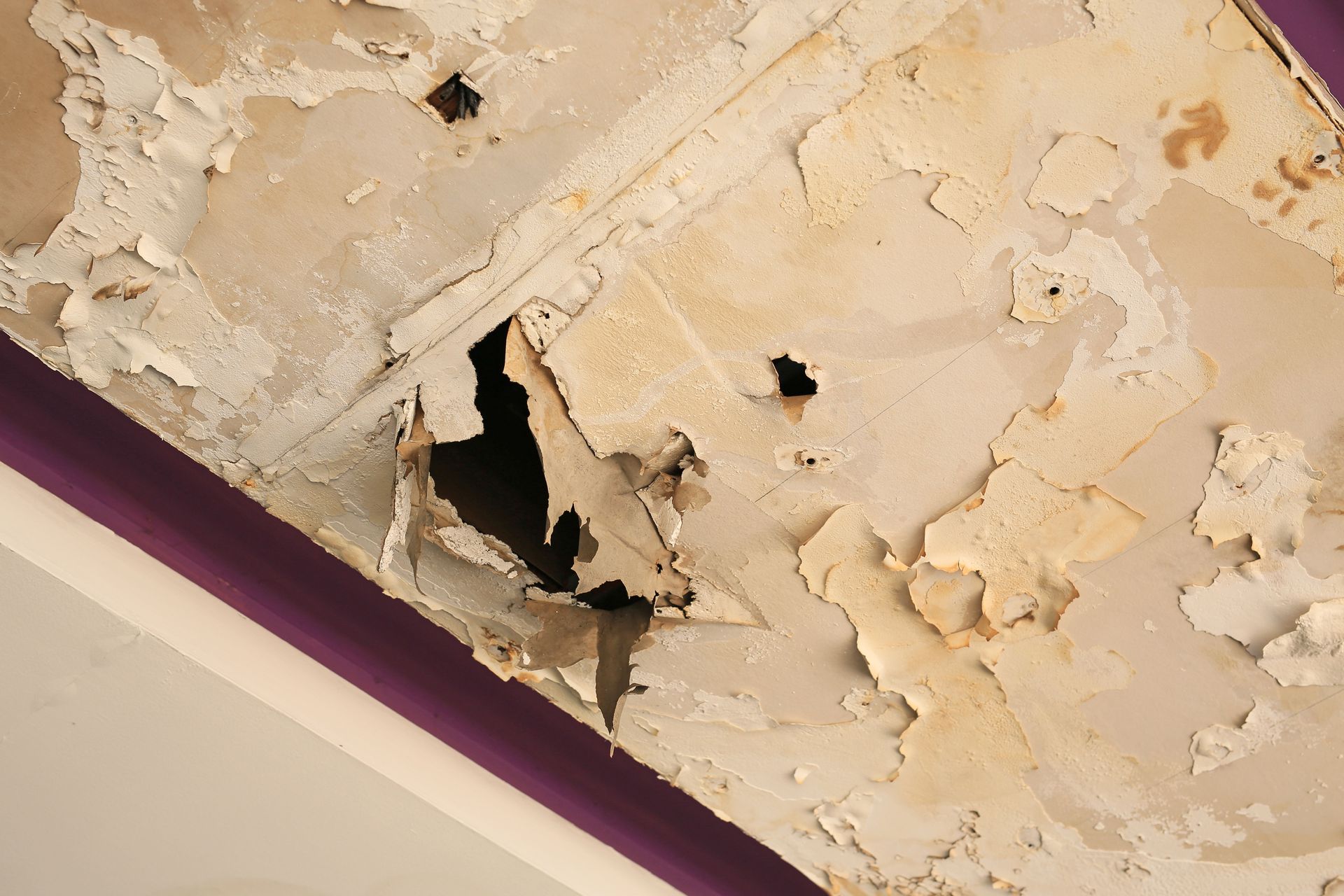
In operational environments, the ability to recognize visible surface indicators of water damage is foundational. This approach aligns with best practices in facilities oversight and risk mitigation. Visible surface indicators manifest through staining, discoloration, peeling paint, warped materials, or efflorescence on walls and ceilings. These are not merely cosmetic issues; they often signal underlying moisture infiltration that, if unaddressed, can compromise structural integrity. By training property stewards and facilities personnel to observe these surface-level cues, organizations can expedite intervention timelines and minimize downstream remediation costs.
The presence of water damage in visible zones should always trigger a structured evaluation protocol. In high-value assets, even minor stains can have pronounced implications for operational continuity. Therefore, recognizing surface indicators is always executed in concert with documented assessment frameworks, ensuring that issues are logged, quantified, and resolved in alignment with organizational governance standards.
2. Detecting Hidden Structural Indicators
Identifying hidden structural indicators requires a more nuanced diagnostic lens, often tapping into the core of asset performance and durability analytics. Hidden structural indicators of water damage may include soft spots in flooring, compromised insulation, or subtle deformations within framing elements. These internal symptoms demand a methodical approach, often blending tactile investigation with sensor-driven moisture measurement technologies.
In environments where water intrusion goes unchallenged, these hidden signs often escalate into broader performance degradation. According to the EPA, water intrusion causes nearly 60% of all building damage in the U.S. This salient fact underscores the prevalence and disruptive potential of unmanaged moisture infiltration across the built environment. Detecting these deeper indicators early can sharply reduce the risk of systemic failure, operational downtime, and extensive restoration expenditures.
3. Assessing Odor and Air Quality Deviations
The identification of water damage is not exclusively visual. Sensory perception—particularly olfactory detection—plays a pivotal role in uncovering moisture-related anomalies. Deviations in air quality, including musty or mold-laden odors, often preface more conspicuous manifestations of moisture intrusion. These indicators can be especially critical in enclosed or subterranean spaces where air circulation is limited and latent moisture accumulates unnoticed.
Implementing regular air quality audits and fostering an organizational culture attuned to sensory deviations enhances early detection capabilities. These programs should be embedded within environmental health and safety protocols, emphasizing repetitive evaluation and cross-functional communication. As such, assessing odor and air quality deviations serves as a dynamic diagnostic tool in the comprehensive identification of water damage.
4. Monitoring Temperature and Humidity Variances
Strategic monitoring of temperature and humidity variances is integral to modern water damage identification. Thermo-hygrometric assessment provides empirical data that can illuminate moisture presence even before physical symptoms become evident. In practice, this involves the calibrated use of hygrometers, thermal cameras, and integrated building automation systems to capture real-time environmental conditions.
When temperature and humidity readings fall outside of established performance baselines, these variances often correlate with water infiltration or condensation accumulation. Continuous environmental monitoring enables informed decision-making and facilitates predictive maintenance strategies. For enterprises committed to operational excellence, embedding this analytical dimension into routine inspections yields measurable improvements in resilience and asset preservation.
5. Investigating Plumbing System Integrity
In many facilities, water damage originates from within. The integrity of the plumbing system is a critical determinant of moisture control and operational stability. Leaks, pressure anomalies, compromised joints, and aging infrastructure can silently facilitate water migration beyond intended channels. These internal water sources frequently present less overt symptoms, making systematic investigation indispensable.
Operational teams should implement rigorous plumbing integrity checks as part of preventative maintenance regimes. Advanced leak detection systems, pressure monitoring, and periodic infrastructure audits can illuminate vulnerabilities before they escalate into pervasive water damage. In complex facilities, integrating these checks with digital twins and building information modeling (BIM) enhances visibility and supports data-driven lifecycle management.
6. Interpreting Mold and Biological Growth Patterns
Water damage and biological growth are inherently linked; moisture-rich environments provide fertile conditions for mold proliferation. Identifying atypical mold patterns or unexplained biological colonies within a facility serves as a consequential indicator of underlying water intrusion. These patterns may emerge along baseboards, within HVAC systems, or in unseen cavities.
Interpreting mold and biological growth requires careful analysis to distinguish between superficial occurrences and systemic moisture issues. Professionals should leverage environmental sampling, laboratory testing when necessary, and correlation with recent water events. Recognizing these biological signatures early not only addresses indoor air quality concerns but also elevates organizational capacities to curtail more significant water damage.
7. Evaluating Post-Event Performance
Following any significant weather incident, utility failure, or structural stress event, evaluating post-event performance becomes critical to identifying latent water damage. This evaluation involves re-assessing areas previously deemed stable, validating the performance of mitigation systems, and confirming that corrective actions have yielded expected outcomes.
Post-event evaluations should extend beyond surface assessments and incorporate baseline comparisons, historical performance data, and targeted diagnostics. These evaluations often reveal subtle shifts in building response characteristics that may indicate water infiltration pathways. Executed effectively, post-event performance assessments reinforce resilience frameworks and validate the robustness of preventive measures against water damage.
8. Integrating Cross-Functional Reporting Mechanisms
Establishing cross-functional reporting mechanisms enhances the enterprise's capacity to identify water damage through diversified observational channels. Facilities teams, safety officers, operations personnel, and even occupants can contribute valuable insights when structured reporting pathways are in place. These mechanisms transform isolated observations into actionable intelligence that can be escalated and acted upon with organizational alignment.
This integration supports a culture of vigilance and shared responsibility, ensuring that indicators of water damage—whether detected visually, sensor-based, or through human perception—are documented and analyzed within a centralized information system. The result is a more resilient operational environment that learns and adapts in real time.
9. Strengthening Documentation and Trend Analysis
Identifying water damage is not merely a function of spotting anomalies; it also involves making sense of patterns over time. Robust documentation and trend analysis enable organizations to contextualize individual incidents within broader performance trajectories. This approach shifts water damage identification from episodic reactions to strategic insights.
By capturing inspection results, sensor logs, maintenance histories, and remediation outcomes within a unified repository, stakeholders can perform trend analyses that reveal recurring vulnerabilities, seasonal patterns, or systemic weaknesses. These insights support more informed capital planning, risk assessment, and resource allocation decisions.
10. Enhancing Stakeholder Communication Protocols
Effective identification of water damage depends on clear communication protocols among stakeholders. Whether disseminating findings from a routine inspection or coordinating response after detecting moisture anomalies, structured communication ensures that critical information flows efficiently. Establishing standardized reporting templates, escalation pathways, and feedback loops enhances transparency and operational responsiveness.
In multi-tiered organizations, communication protocols should dovetail with governance frameworks to ensure accountability and alignment with corporate objectives. When stakeholders clearly understand their roles and responsibilities in the water damage identification process, the organization can move with agility and precision.
11. Promoting Continuous Education and Training
Finally, embedding continuous education and training into organizational culture fortifies the enterprise's ability to identify water damage proactively. Training programs tailored to specific roles equip personnel with the skills to recognize early indicators, employ diagnostic tools effectively, and interpret environmental signals with confidence.
Continual upskilling in areas such as moisture detection technologies, environmental monitoring, and inspection methodologies enhances competency across teams. This educational investment yields dividends in risk mitigation, operational efficiency, and asset stewardship.
Identifying water damage requires a multi-faceted approach that blends observational acuity, technological integration, cross-functional collaboration, and strategic insight. From recognizing visible surface indicators to leveraging advanced diagnostics and fostering organizational awareness, each element contributes to a comprehensive detection ecosystem. At Bluegrass Waterproofing & Restoration, our commitment to precision and performance underscores every aspect of water damage identification, ensuring that assets remain protected and stakeholders remain confident in their infrastructure investments. Get in touch with our team today!