April 6, 2026
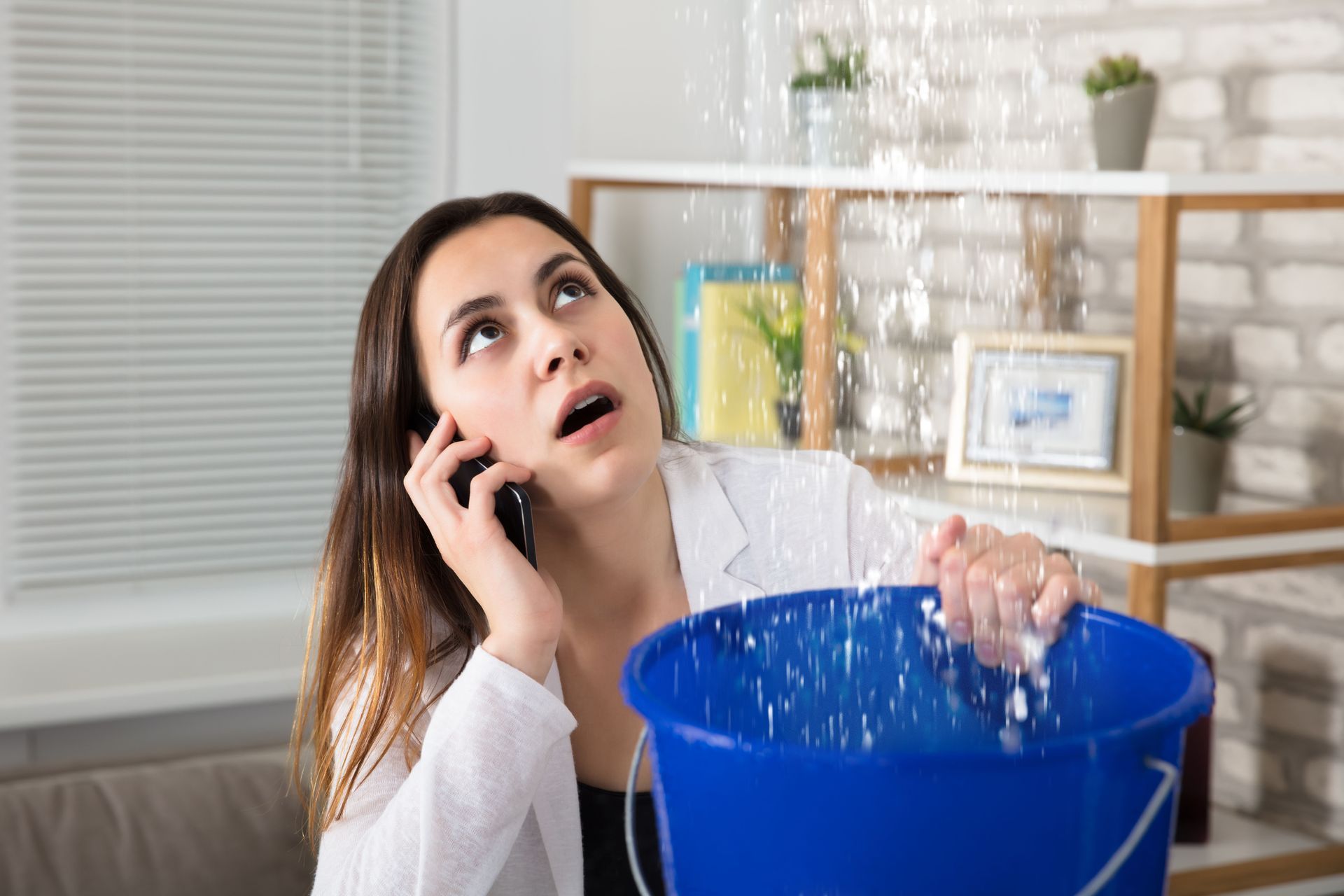
Water damage is a serious issue that can lead to significant problems if not addressed promptly. This article will explore the compelling reasons why it's essential to handle water damage as soon as it occurs to minimize costs, protect health, and prevent further deterioration of property. When water infiltrates a building, it not only saturates materials but also creates an environment conducive to the growth of mold and mildew. This scenario can exacerbate structural degradation and health concerns. Therefore, timely intervention is critical in mitigating the adverse effects of water damage and preserving both property and well-being.
1. Prevent Structural Damage
Foundational Integrity
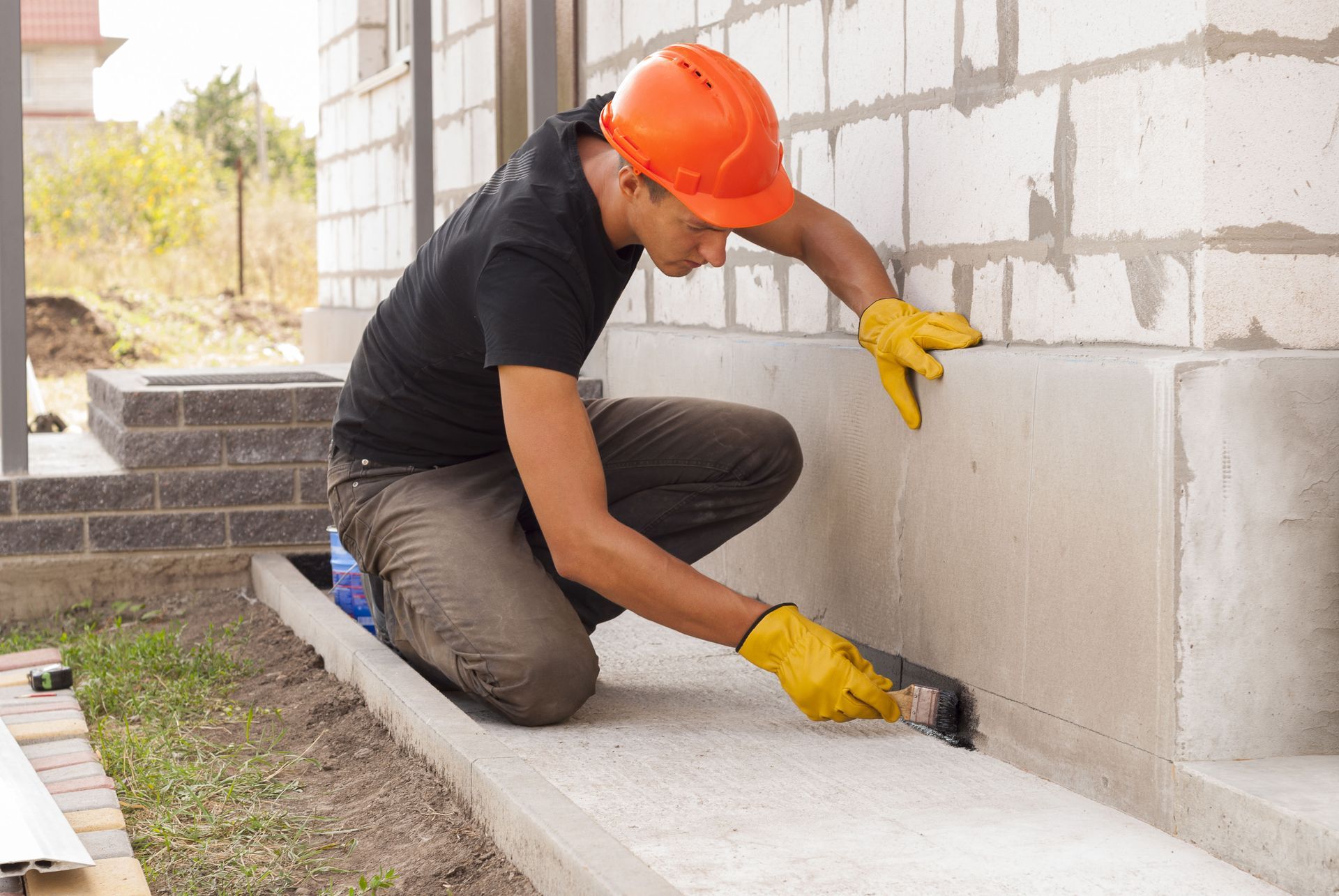
Water penetration is a silent threat to the structural integrity of buildings, especially concerning the foundation. When water accumulates around or under a building, it can erode the soil and weaken foundational elements. This erosion can cause shifting or settling, resulting in cracks in walls and floors. According to iPropertyManagement.com, water damage affects about 98% of basements. Consequently, the building may require expensive underpinning or restoration to restore stability. Immediate attention to water damage is crucial to avoid these severe structural problems.
Wall and Ceiling Damage
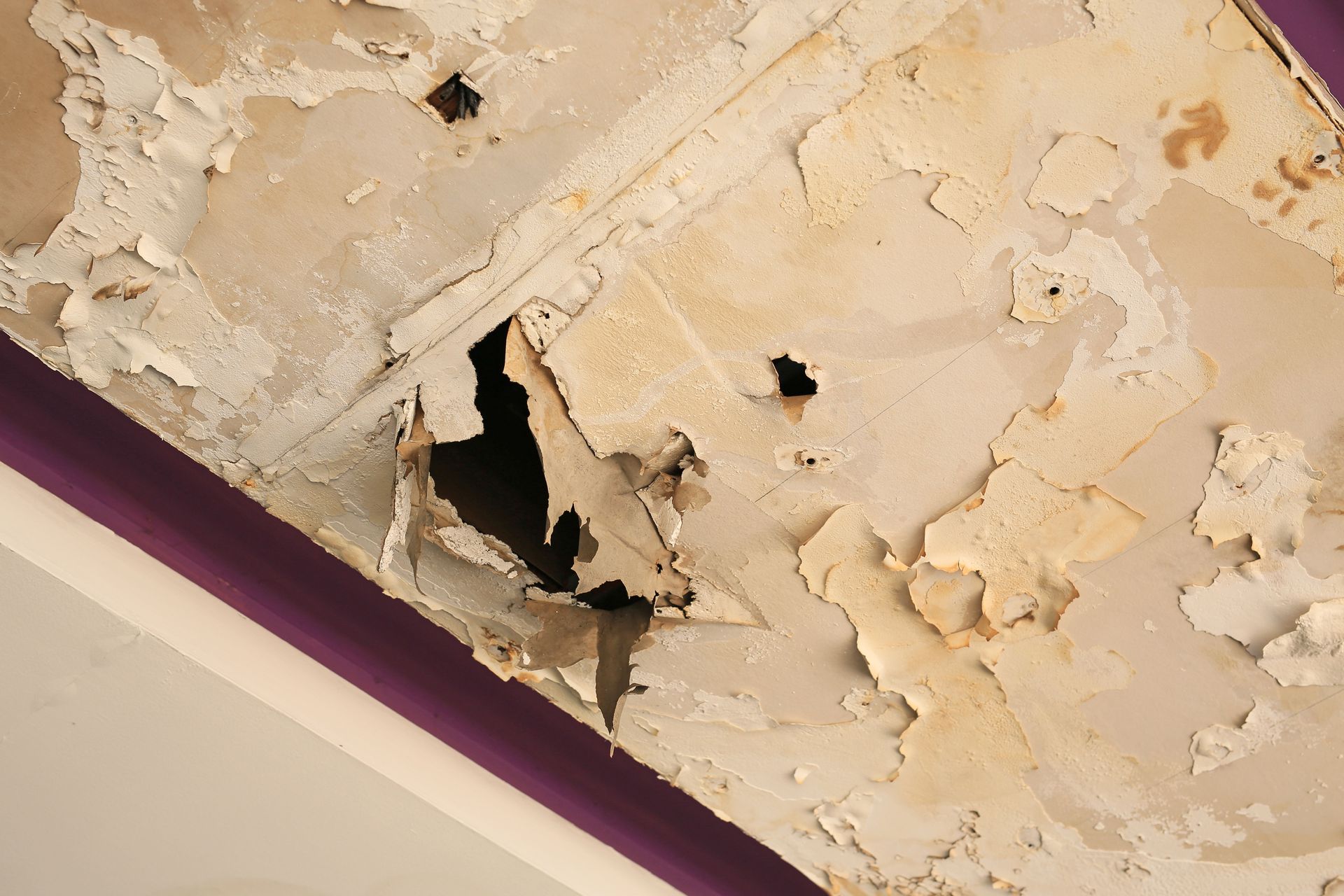
Walls and ceilings are particularly susceptible to water seeping in and causing damage. Moisture can lead to the decay of building materials such as drywall and insulation, reducing their effectiveness and structural integrity. Over time, if left unchecked, water damage can cause paint to blister and plaster to crack, making the interior environment uninhabitable. Timely repair and drying are essential to prevent these issues from escalating and causing further deterioration.
Flooring Issues
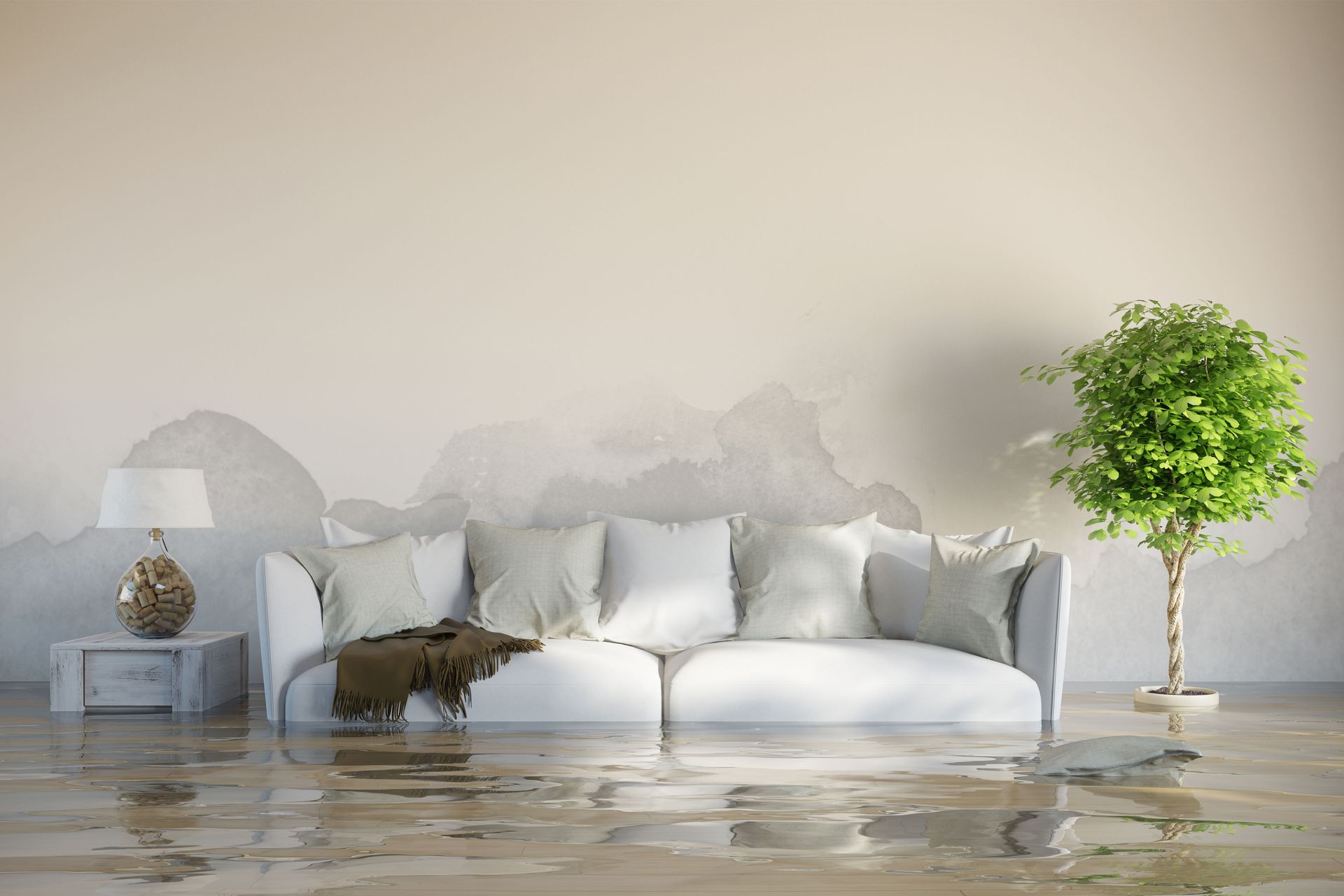
Flooring is often one of the first areas to show visible signs of water damage. Water exposure can warp hardwood floors, cause tiles to loosen, and lead to the deterioration of carpet fibers. These issues not only compromise the aesthetic appeal of the flooring but also pose safety hazards to occupants due to uneven surfaces. To mitigate these effects, addressing water damage promptly ensures floors remain functional and visually appealing. Regular inspections and maintenance can help catch the early signs of water damage, facilitating quicker repairs.
2. Prevent Health Risks from Mold and Mildew
Respiratory Problems
Mold and mildew thrive in moist environments and can spread rapidly following water damage. Mold spores released into the air can be inhaled, leading to respiratory issues, particularly for those with pre-existing conditions like asthma. The spores can irritate the lungs, causing symptoms such as coughing, sneezing, and shortness of breath. Prolonged exposure may exacerbate these symptoms and could lead to more severe respiratory conditions. Therefore, tackling water damage quickly is vital to prevent the growth and spread of mold.
Skin Irritations
Living in a mold-infested environment can have adverse effects on the skin. Contact with mold spores can result in skin irritations such as rashes, itching, and redness. This is particularly problematic for individuals with sensitive skin or allergies. Mold removal and remediation can significantly reduce the risk of such irritations. Therefore, handling water damage and subsequent mold growth is essential for maintaining healthy skin conditions.
Weakened Immune Response
Exposure to mold can compromise the immune system, making individuals more susceptible to infections and illnesses. The presence of mycotoxins, which are toxic substances released by certain types of mold, can further weaken immunity. These toxins can accumulate in the body over time, leading to chronic health issues. Prompt remediation of water damage helps minimize exposure to these harmful substances. By ensuring a healthy indoor environment, occupants can maintain robust immune defenses.
3. Prevent Electrical Hazards
Short-Circuiting
Water and electricity pose significant hazards when combined. When water breaches electrical systems, it can cause short-circuiting, leading to power outages and increased fire risks. Electrical shorts occur when water disrupts the flow of current, creating pathways it shouldn't. This disruption can cause sparks and heat buildup, igniting nearby flammable materials. Fast action to dry out waterlogged electrical systems is necessary to prevent these dangerous situations.
Damaged Wiring
Wiring that comes in contact with water can degrade, leading to significant safety hazards. Water exposure can cause the insulation around wires to break down, increasing the risk of electrical shock or fire. Regular inspections and maintenance can help identify wires that have come into contact with water, allowing for timely repairs. Ensuring electrical systems are safe restores peace of mind in a home's safety. Ignoring these risks could lead to catastrophic failure and costly repairs.
Appliance Damage
Water damage can have devastating effects on electrical appliances. Water intrusion can corrode components, render devices inoperable, and create unsafe operating conditions. This can lead to costly replacements and significant disruption to daily life. Regularly checking for water damage around appliances and taking immediate action when detected can mitigate these risks. Keeping appliances dry and moisture-free ensures their longevity and functionality, leading to savings on future replacement costs.
4. Financial Implications
Repair Costs
Addressing water damage promptly can substantially reduce repair costs associated with restoring property. Immediate intervention helps prevent minor issues from snowballing into major problems that require extensive remediation. It is far more cost-effective to address wet carpets or ceilings early on than to deal with advanced mold infestation or structural repair. Over time, homeowners can save considerable amounts in repairs by acting quickly. Cost-saving measures also include routine maintenance and preventive strategies.
Insurance Premiums
Insurance companies keep a careful record of claims made by policyholders, and repeated water damage claims can cause premiums to rise. In some cases, insurers may consider a property a high-risk investment, leading to higher costs for the homeowner. Avoiding frequent claims requires addressing even minor water issues promptly to prevent more significant damage. By maintaining good standing with your insurance provider, you can keep premiums manageable. Understanding policy requirements can further help avoid unnecessary expenses.
Property Value
Unaddressed water damage can detract from a property's market value significantly. Visible signs of water damage such as stains, warping, and mold presence can negatively impact a potential buyer's perception. Even after repairs, properties with a history of persistent water damage might be viewed with skepticism. Consistent maintenance and prompt attention to water damage can preserve and even enhance property value. Rehabilitation efforts should focus not only on repair but also on preventing future incidents.
5. Timeliness Affects Insurance Claims
Documentation
Accurate documentation is vital in the insurance claims process. Taking prompt action allows for comprehensive reporting and photographic evidence, which supports claims for financial compensation. Clear and detailed records help insurance adjusters assess the situation accurately, expediting payout. When water damage occurs, it's important to document the extent and immediately notify the insurance company. Swift documentation and communication facilitate smoother interactions with insurers.
Claim Approval
Timely response to water damage leads to smoother claim approvals by demonstrating responsibility and promptness. Insurers are more likely to honor claims when they can see proactive efforts to mitigate damage. By promptly seeking professional assessments and repairs, homeowners present a strong case for coverage. This not only helps in obtaining approval but also delivers appropriate compensation swiftly. Delays can cause complications and potential claim denials, underscoring the importance of speed.
Coverage Limits
Delay in addressing water damage can affect the extent of insurance coverage. Policies often have specific conditions that require immediate reporting and mitigation efforts to qualify for full coverage. Failing to act promptly may result in out-of-pocket expenses exceeding policy limits. Understanding these timelines and actively managing water-related issues ensure expenses stay within covered bounds. Familiarity with insurance terms and proactive measures are paramount.
Handling water damage promptly is not merely about immediate convenience. It encompasses safeguarding health, preserving property value, ensuring structural integrity, and mitigating long-term financial impacts. Taking swift action benefits homeowners by preventing complications and fostering a safer living environment. By proactively addressing water-related issues, individuals can enjoy peace of mind, healthier surroundings, and robust property investment. If you're looking for timely water damage services, contact Bluegrass Waterproofing & Restoration today.