April 9, 2026
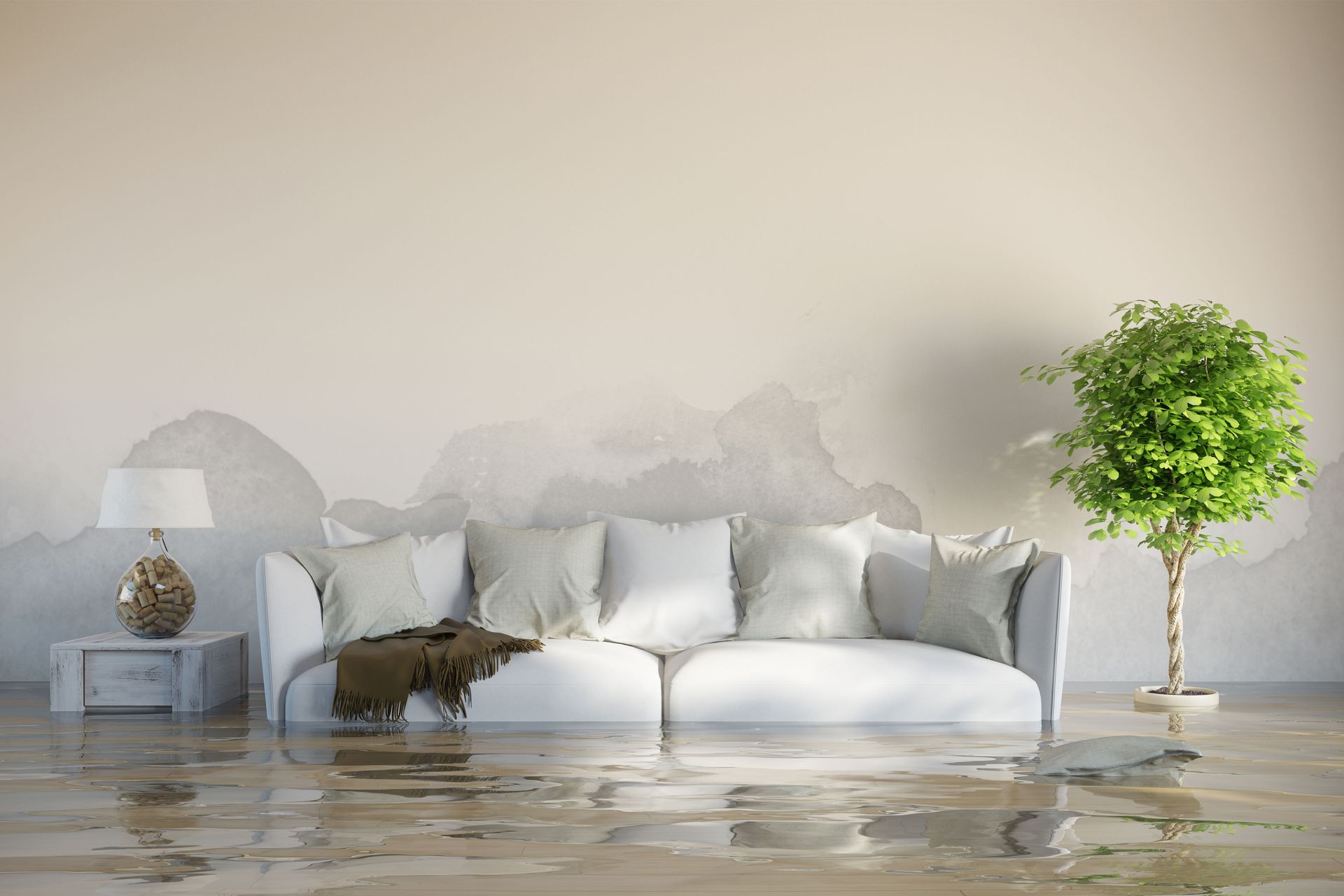
Water damage can lead to significant financial burdens, health issues, and irreparable damage to personal property. By identifying and addressing the sources of water damage, homeowners can proactively protect their homes. Below, let's explore common home-related issues that cause water damage.
1. Leaky Roofs
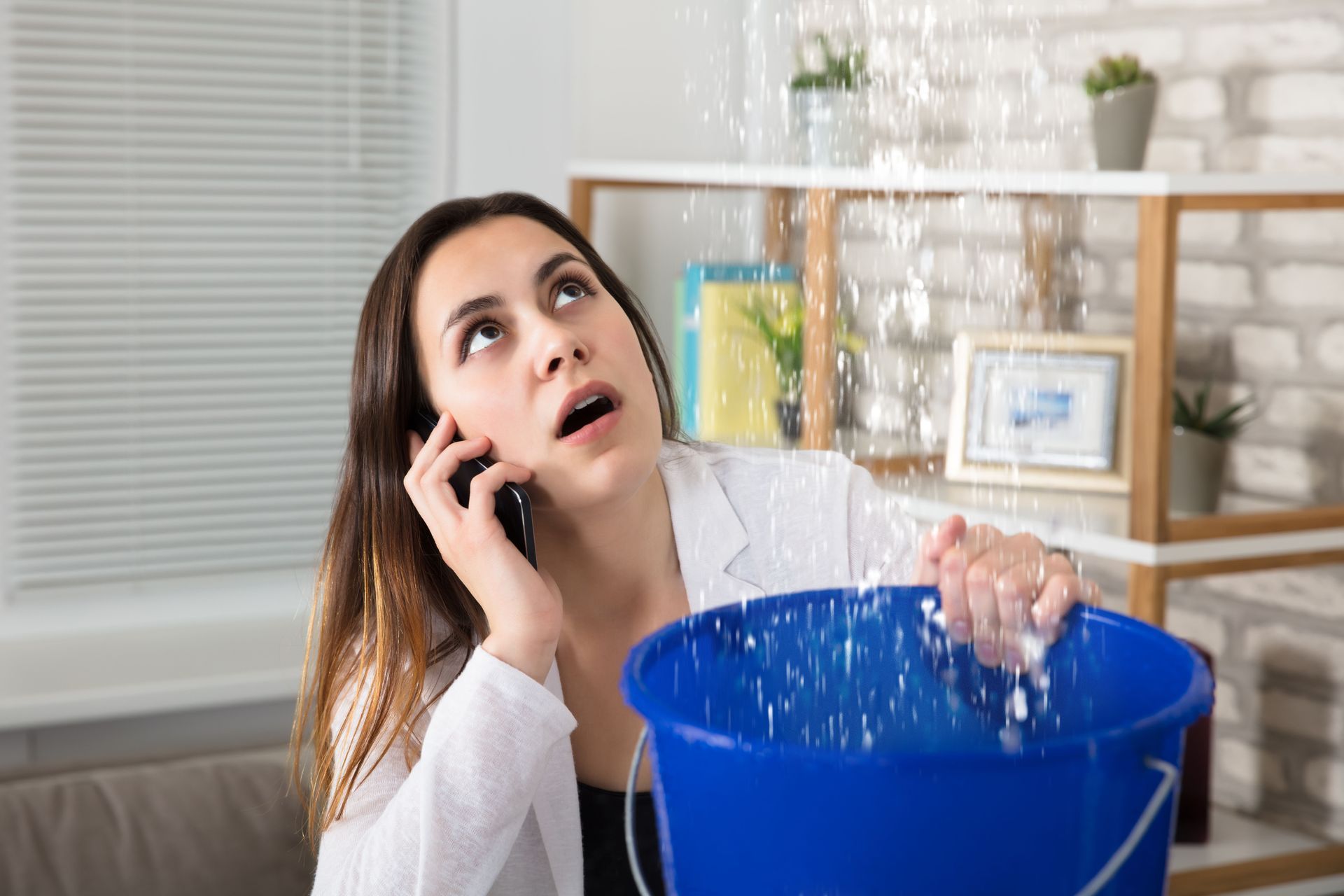
Aging roof materials are often a primary cause of leaks. As roofing materials age, they tend to deteriorate, losing their ability to repel water effectively. Shingles can curl, crack, or break, allowing water to seep through and damage the underlying structures. Regular inspections and timely replacements of old roofing materials can prevent water intrusion and costly repairs. Using high-quality materials that withstand weathering can extend the life of a roof significantly.
Improper installation techniques often contribute to water intrusion in homes. A roof installed without adherence to manufacturer guidelines or local building codes is susceptible to leaks. During extreme weather events, such defects become apparent, leading to significant water damage. Homeowners should ensure that professional, experienced contractors perform installations to avoid these problems. Quality craftsmanship can make a decisive difference in the longevity and efficiency of a roofing system.
Weather conditions play a crucial role in the health and performance of a roof. Heavy rain, snow, or strong winds can exploit any weaknesses in the roofing structure, leading to leaks. Adequate roof maintenance, such as removing snow and repairing damage immediately, can mitigate weather-related water risks. Additionally, installing weather-resistant materials can provide a robust defense against harsh conditions. Homeowners should remain vigilant during storms to identify any new leaks promptly.
2. Plumbing Issues
Burst pipes are a common and devastating source of water damage in homes. Freezing temperatures, high water pressure, and deterioration can cause pipes to burst. This issue can lead to extensive water spreading throughout the home, damaging walls, floors, and your belongings. Preventive measures include proper insulation of pipes, maintaining moderate indoor temperatures, and regular pressure monitoring. Homeowners should know the location of their water shutoff valve to quickly stop water flow when a pipe bursts.
Pipe corrosion is gradual yet destructive, leading to leaks and water damage. Various factors, like water acidity or metal reactions, can corrode pipes over time. Regular inspection and timely replacement of corroded pipes can prevent severe water damage. Using pipes made from corrosion-resistant materials can prolong the life of a plumbing system. Homeowners are advised to consult with plumbing experts to identify materials best suited for their water supply characteristics.
Household appliances like dishwashers, washers, and water heaters are common sources of water leaks. Faulty connections, aging components, or improper use can lead to significant water damage. Regular maintenance and prompt repair of appliances can prevent such issues. Homeowners should routinely check hoses, seals, and connections for signs of wear and leaks. Preventive measures can save substantial costs in repairs and water damage mitigation over time.
3. Poor Maintenance
Regular inspections are a fundamental component of home maintenance and water damage prevention. Without routine checks, small issues can go unnoticed until they escalate into significant problems. Homeowners should establish inspection schedules, focusing on areas prone to water intrusion. Correcting identified problems promptly can save considerable repair costs in the future. Professional inspections provide expert insight and can uncover hidden issues that might be overlooked by homeowners.
Delaying necessary repairs is a costly mistake many homeowners make, leading to more extensive damage. Small leaks or cracks can develop into serious water issues if left unaddressed. Homeowners should prioritize repairs and follow through with maintenance plans to protect their properties. Investing in repairs now prevents more significant expenses and challenges down the line. Proactive management of small issues pays dividends in preserving a home's structural integrity.
Improper sealing around windows, doors, and other openings can result in water infiltration. Seals that degrade over time due to weather exposure must be consistently maintained or replaced. High-quality sealants and professional sealing services can ensure effective weatherproofing. Regular checks of seals and gaps around openings identify vulnerabilities before they develop into full-scale issues. Effective sealing practices are vital for maintaining a watertight home.
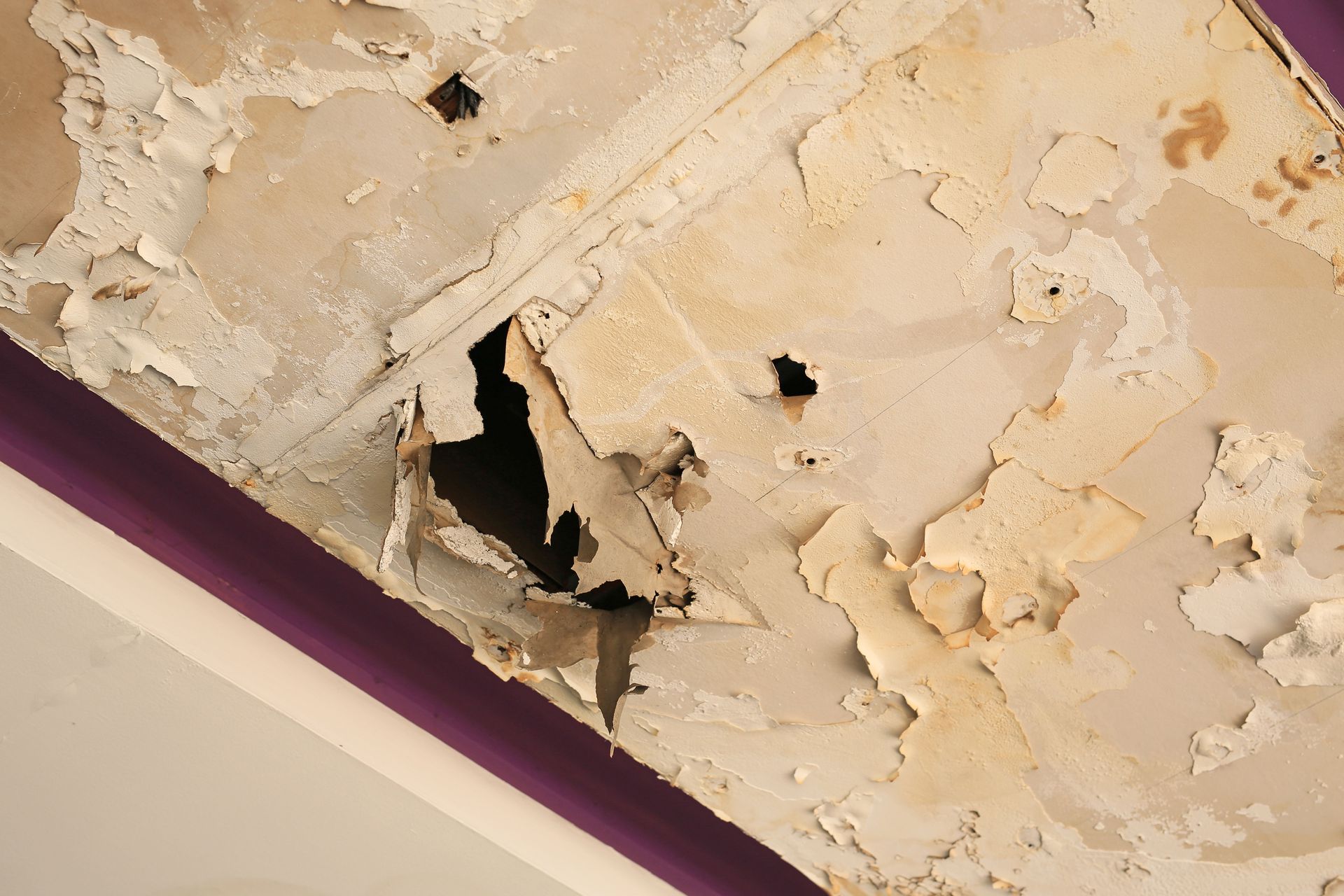
Water stains, mold growth, and unusual odors often serve as warning signs of underlying water issues. Ignoring these indicators allows problems to worsen, leading to severe water damage. Homeowners should investigate and address warning signs promptly to prevent further damage. Regular maintenance, detection devices, and inspections can aid in early identification of water issues. Vigilance in recognizing and reacting to warning signs is critical in effective home maintenance.
4. HVAC System Issues
Air conditioning units can cause leaks if not properly maintained, leading to water damage. Blocked drains, damaged coils, or frozen evaporator coils are common culprits. Regular HVAC maintenance and inspections can detect and resolve such issues before they escalate. Using professional HVAC services ensures that the system operates efficiently and minimizes leak risks. Maintaining an air conditioning unit is essential for keeping indoor environments safe from water damage.
Effective humidity control in an HVAC system is critical for comfort and water damage prevention. High humidity levels can lead to condensation and mold growth, both of which cause water damage. Maintaining proper humidity levels requires well-functioning thermostats, humidifiers, and dehumidifiers. Regular system checks and maintenance contribute to optimal indoor air quality and water damage prevention. Managing indoor humidity is crucial for both personal comfort and structural preservation.
Poor insulation in HVAC systems can lead to condensation and, ultimately, water damage. Insulation failure causes heat loss and inefficient system performance, increasing energy bills and water risk. Selecting high-quality insulation materials and ensuring correct installation can prevent these issues. Regular inspection and replacement of old or damaged insulation materials maintain HVAC efficiency and protect against water damage. Quality insulation is integral not only to energy efficiency but also in safeguarding a home from water-related problems.
5. Basement and Foundation Problems
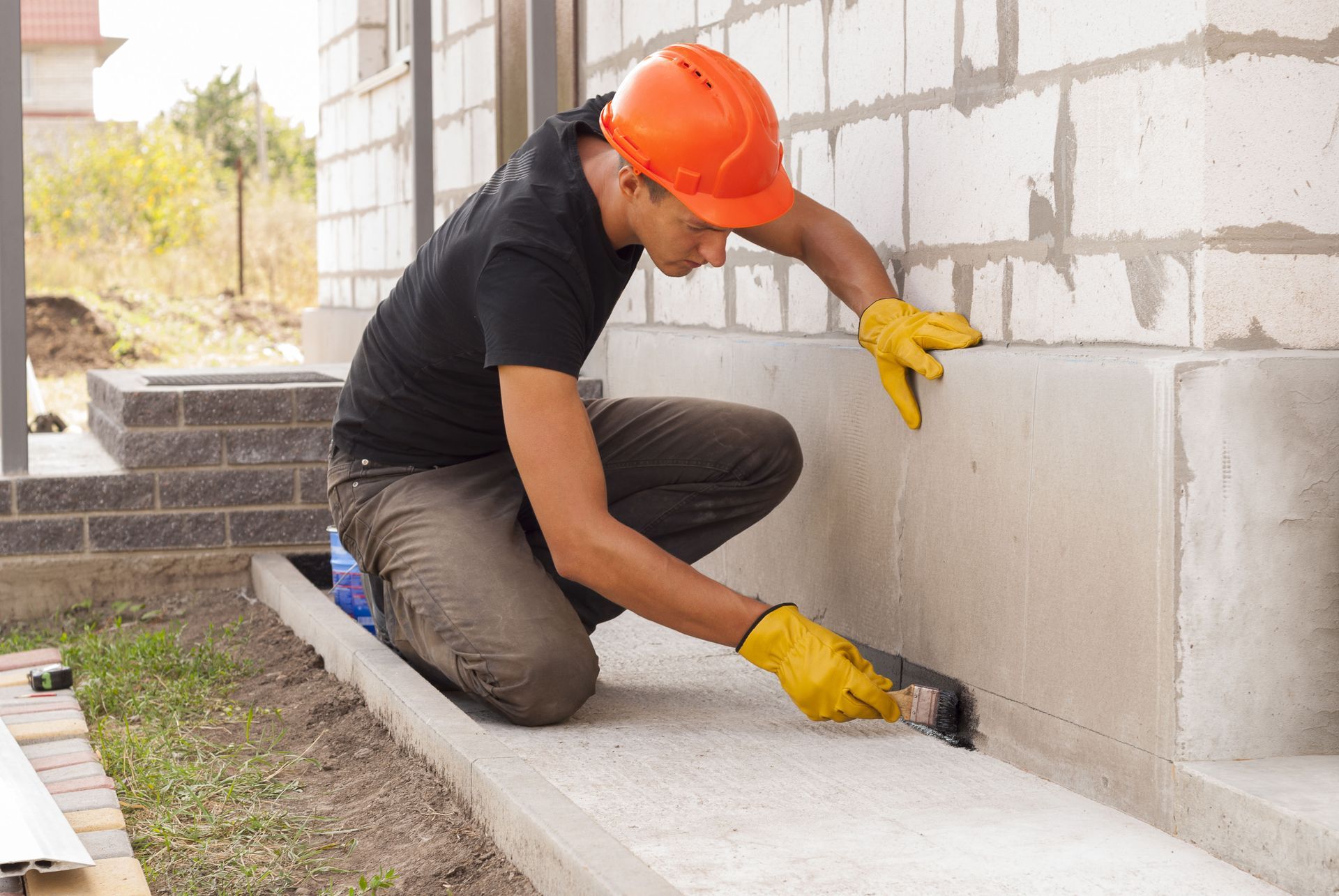
Foundation cracks allow water to infiltrate a home, leading to water damage and structural issues. These cracks can develop due to settling, earthquakes, or natural wear and tear. Timely identification and repair of foundation cracks can prevent further water intrusion and damage. Foundation inspection should be routine, particularly where basements and water levels are high. Professional assessment and repair ensure that foundation stability is maintained, reducing the risk of water damage.
Poor construction practices, such as inadequate waterproofing, make basements vulnerable to water issues. According to iPropertyManagement.com, water damage affects about 98% of basements. A well-constructed basement includes proper sealing, drainage, and water barriers to prevent moisture penetration. Homeowners should work with skilled contractors to ensure that basements are built to withstand water pressure. Retrofitting older basements with modern waterproofing techniques can also improve resistance to water intrusion. A soundly constructed basement is essential for preventing water damage and maintaining the home’s structural integrity.
Sump pumps are essential for removing accumulated water from basements, preventing flooding. Failures in these systems can lead to significant water damage. Regular servicing and testing of sump pumps ensure they function correctly when needed. Battery backup systems provide additional security against power outages during heavy rainfall. Reliable sump pumps play a critical role in maintaining a dry and safe basement environment.
Water damage in homes can arise from a multitude of sources, each presenting unique challenges. By understanding these common causes, homeowners can take appropriate preventive measures to safeguard their properties and minimize the risk of damage. Contact our team at Bluegrass Waterproofing & Restoration today.