March 23, 2026
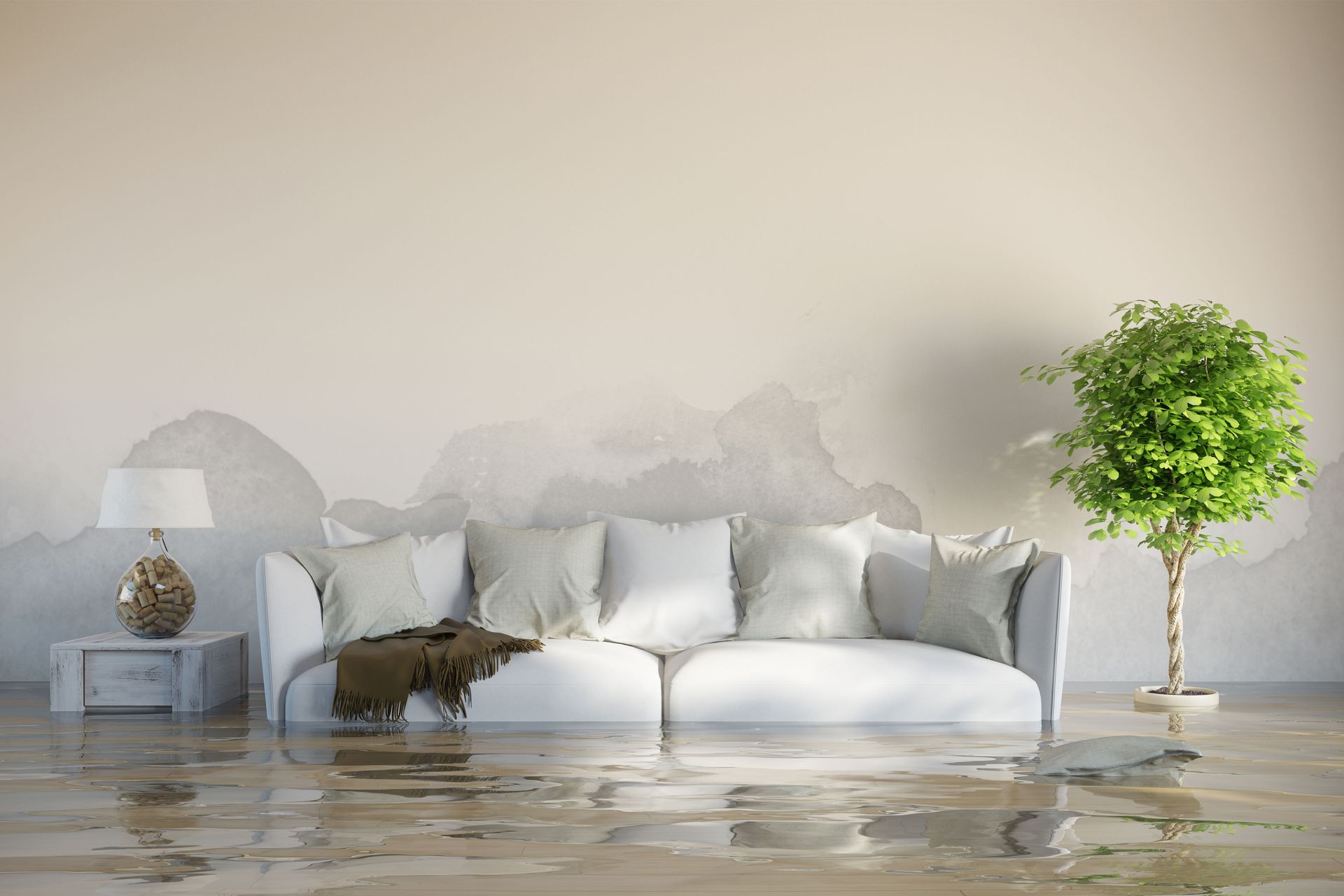
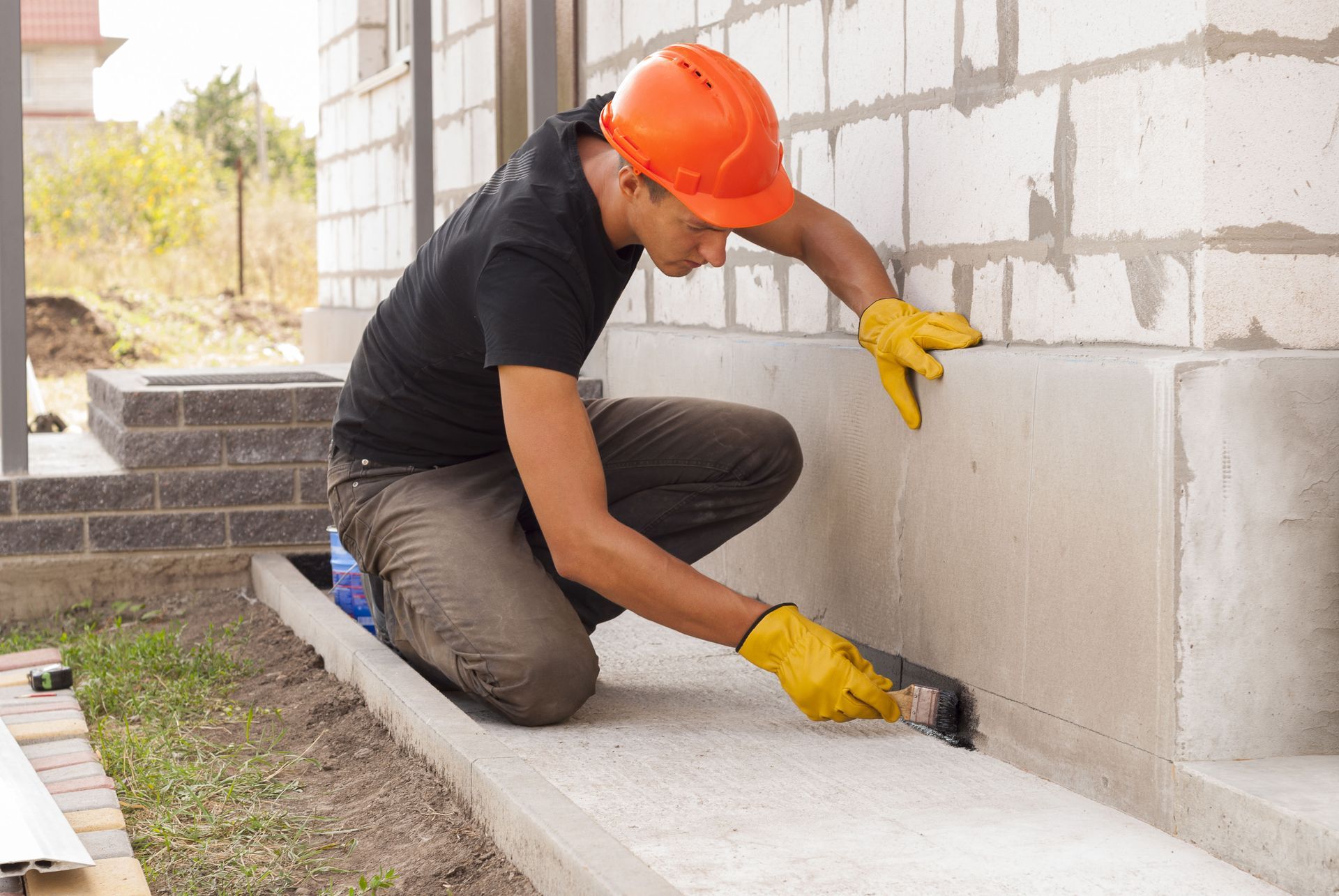
Basement water damage is a prevalent issue faced by homeowners, often going unnoticed until significant problems arise. The potential risks and consequences associated with water intrusion in basements are numerous and diverse, affecting not only the structural integrity of a home but also the health of its inhabitants. This article delves into the hidden dangers of basement water damage, highlighting why homeowners must address these issues promptly. Understanding these risks can help in preventing long-term damage and safeguarding both property and personal well-being. By exploring these hidden threats, homeowners will be better prepared to protect one of their most vital investments, and may even consider professional basement waterproofing services as a preventive measure.
1. Compromising Structural Integrity
Water seepage into the basement can lead to the development of foundation cracks, which compromise the overall stability of the home. These cracks are typically caused by the expansion and contraction of materials due to moisture exposure. Over time, even minor cracks can expand and lead to significant structural issues if not addressed promptly. According to iPropertyManagement.com, water damage affects about 98% of basements, illustrating how widespread this issue is. Addressing foundation cracks early can prevent further damage and preserve the structural soundness of the property, especially when supported by professional basement waterproofing services.
2. Displacing Walls
Persistent moisture in the basement can lead to wall displacement, a serious structural issue that affects the integrity of the building. As water enters the basement, it increases the hydrostatic pressure on the walls, pushing them inward or outward. This pressure can cause walls to bow, lean, or even crack, leading to potentially dangerous situations. If left uncorrected, wall displacement can result in significant repair costs and pose a safety risk to the inhabitants. Regular inspection and maintenance, along with timely basement waterproofing services, can help detect early signs of wall displacement, thus preventing more severe consequences.
3. Sagging Floors
The accumulation of water in the basement can weaken floor joists over time, leading to floor sagging. This phenomenon occurs when water causes wooden beams to rot or become infested with pests such as termites. Sagging floors not only present a tripping hazard but also indicate deeper structural issues that must be addressed. Ignoring sagging floors can result in more extensive damage and costly repairs. Homeowners should regularly check the floors for signs of wear and reinforce them to maintain a safe living environment, potentially incorporating basement waterproofing services to address the root cause of moisture intrusion.
4. Deteriorating Building Materials
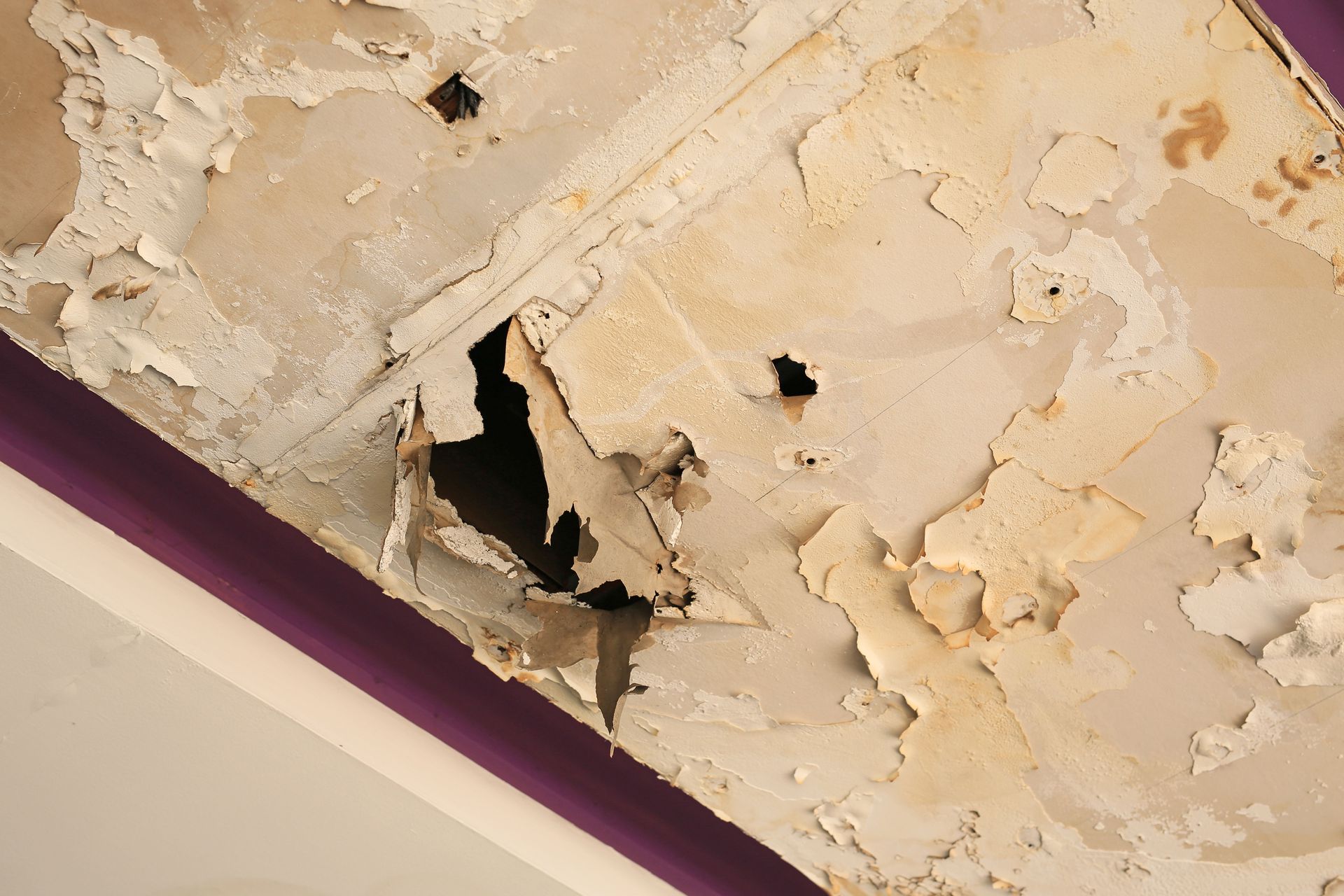
Water damage can accelerate the deterioration of building materials commonly used in basements, such as wood, metal, and concrete. Prolonged exposure to moisture causes these materials to decay, corrode, or lose their structural integrity. For instance, wood can rot, metals can rust, and concrete can weaken due to the constant wet conditions. Deteriorated materials can result in compromised structural elements, leading to more significant damage if not repaired. Regular maintenance and basement waterproofing services can help mitigate these effects and extend the lifespan of building materials.
5. Increasing Risk of Collapse
Severe water damage that goes unchecked can significantly increase the risk of structural collapse. The progressive weakening of foundational elements, displacement of walls, and sagging of floors contribute to a compromised structure. This increased risk poses a severe threat to the safety of the home's inhabitants and requires immediate attention. Homeowners must stay vigilant for signs of water damage and seek professional assessments, including basement waterproofing services, to ensure the structural integrity of their property. Proactive measures and timely repairs can prevent catastrophic collapses and ensure the safety and security of the home.
6. Affecting Health
Basements with water damage provide the perfect breeding ground for mold and mildew, posing significant health risks. Both mold and mildew thrive in damp, dark environments, rapidly spreading throughout the basement if not controlled. Exposure to mold and mildew can lead to respiratory issues, allergic reactions, and other health complications. Homeowners need to control moisture levels and ensure proper ventilation in basements to prevent mold growth. In many cases, basement waterproofing services play a critical role in eliminating excess moisture and protecting indoor air quality.
7. Encouraging Allergen Accumulation
In addition to mold and mildew, water-damaged basements provide an environment conducive to allergen accumulation. Dust, pollen, and other allergens can gather in these damp conditions, aggravating respiratory conditions and allergies. Individuals with asthma or allergies may experience worsened symptoms when exposed to these allergens. To minimize this risk, homeowners should regularly clean and dehumidify their basements. Implementing air purification systems can also help reduce the presence of allergens and improve indoor air quality.
8. Promoting Bacterial Proliferation
Moist environments, like water-damaged basements, are ideal for bacterial proliferation, introducing additional health risks. Harmful bacteria can grow unchecked, especially if there's stagnant water, leading to a range of potential infections. For homeowners, this presents a hidden danger that might not be immediately visible but can have lasting health impacts. Ensuring proper drainage and conducting regular sanitation efforts can help curb the growth of bacteria. By taking proactive steps and investing in basement waterproofing services, homeowners can safeguard the health of their household against bacterial threats.
9. Attracting Pest Infestations
Water damage in basements often attracts pests like termites, rodents, and insects, which seek out moist environments. These pests can lead to further structural damage and introduce additional health risks due to their potential to spread diseases. Termites, in particular, can severely damage wooden structures, compounding existing water damage issues. Homeowners should regularly inspect for signs of pest infestation and consider professional pest control services if necessary. Preventative measures such as sealing entry points, fixing leaks, and utilizing basement waterproofing services can deter pests from inhabiting the basement.
10. Triggering Toxic Chemical Exposure
Prolonged water exposure in basements can cause the breakdown of building materials, leading to toxic chemical release. Materials such as insulation, adhesives, and certain paints can release harmful chemicals when they degrade due to moisture. These chemicals can pose serious health risks, including respiratory issues and skin irritation. Homeowners should be aware of the materials used in their basements and take steps to ensure proper ventilation to reduce exposure risks. Immediate remediation of water damage and replacing toxic materials are vital to maintaining a safe indoor environment.
11. Creating Financial Repercussions
Addressing basement water damage often leads to significant financial expenditures due to the complexity of repairs. Costs can quickly escalate as homeowners must hire professionals to resolve structural issues, replace damaged materials, and prevent further damage. As water damage affects about 98% of basements, according to iPropertyManagement.com, many homeowners will have to face these financial challenges. Proactive maintenance, including scheduling basement waterproofing services and early detection, can help in mitigating repair costs, but unaddressed issues can still result in a heavy financial burden. It's important to set aside a budget for potential water damage repairs to alleviate unexpected expenses.
12. Raising Insurance Premiums
Frequent claims related to basement water damage can lead to rising insurance costs for homeowners. Insurance providers may increase premiums due to the perceived risk associated with repeated water damage incidents. As such, taking preventive measures to reduce the likelihood of water damage can help in maintaining lower insurance premiums. Homeowners should inform themselves about the coverage options available and consider additional policies like flood insurance if necessary. Proper documentation and timely reporting of water damage can also assist in managing insurance claims effectively.
Basement water damage presents a wide range of hidden dangers that extend far beyond minor inconvenience. From compromised structural integrity and increased risk of collapse to serious health concerns and financial strain, the consequences can be severe if left unaddressed. By recognizing early warning signs and investing in preventive solutions such as basement waterproofing services, homeowners can protect their property, finances, and well-being. Taking proactive steps today ensures a safer, healthier, and more secure home for years to come. Are you seeking water damage or restoration services in Western, KY, and Southern, IN areas? If so, contact the professionals at Bluegrass Waterproofing & Restoration today.