March 13, 2026
Water damage is a pervasive issue that can compromise the structural integrity of your home or business. Understanding the common causes of water damage is crucial in preventing costly repairs and preserving a safe, healthy environment. In this article, we will explore the common causes of water damage, providing homeowners with the knowledge necessary to protect their property effectively. By familiarizing yourself with these issues, you can reduce the risk of unexpected damages and maintain the longevity of your home. Implementing prevention strategies can significantly minimize the likelihood of extensive repairs and lower overall maintenance costs.
1. Common Leaking Pipes
Identify DamagedPipes
Overall, leaking pipes are a frequent source of water damage in both residential and commercial properties. They can occur due to age-related wear and tear, corrosion, or poor installation practices. Seasonal changes, such as freezing temperatures, can cause plumbing pipes to expand and contract, leading to potential leaks. Aging infrastructure is particularly susceptible to leaks as weakened joints and outdated materials break down over time. According to iPropertyManagement.com, a leaky faucet can waste more than 3,000 gallons of water a year.
Detect Pipe Leaks
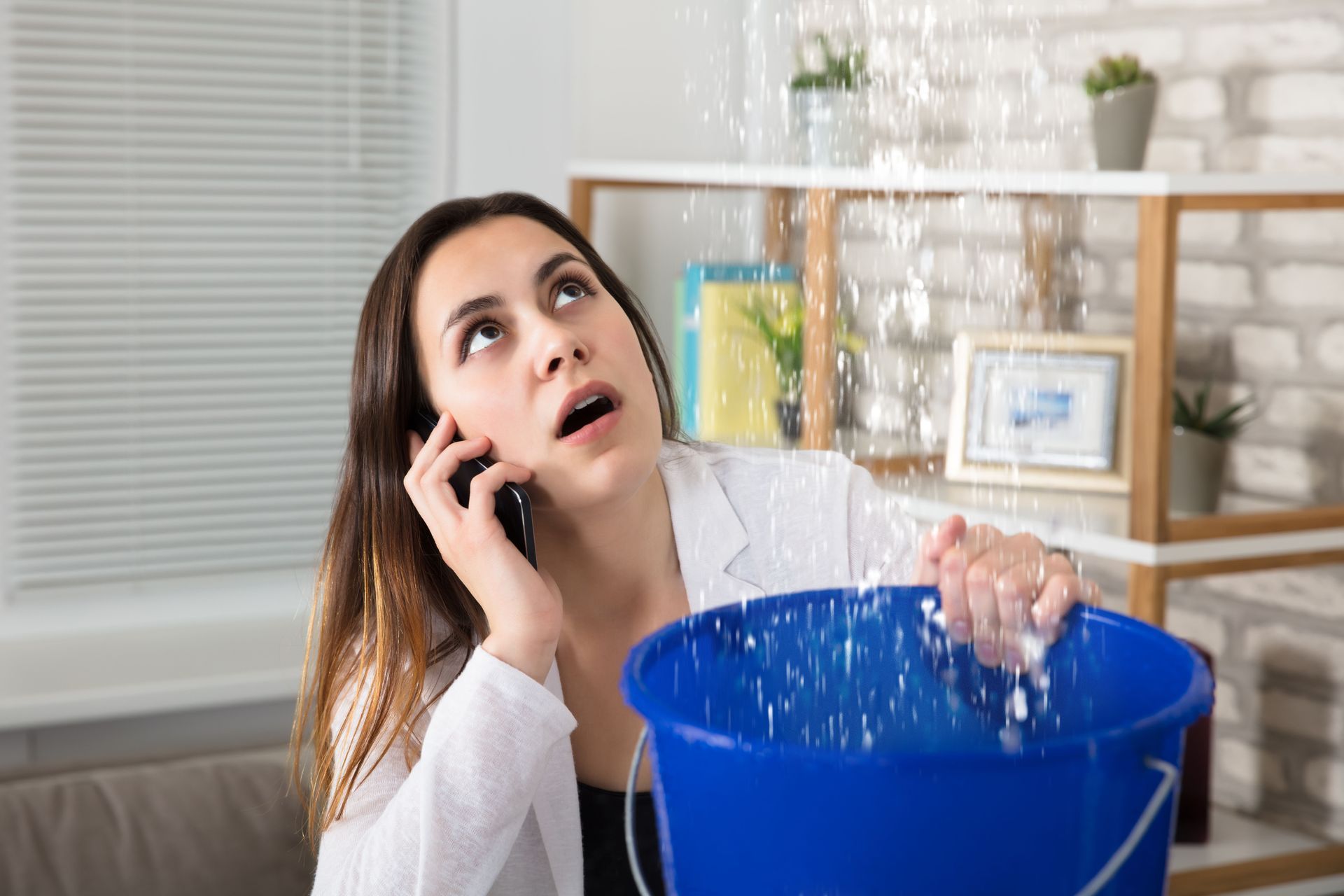
Detecting early warning signs of pipe leaks can prevent extensive water damage. Common indicators include unexplained increases in water bills, the sound of running water when all fixtures are off, and water stains on walls or ceilings. Mold or mildew growth is another sign of hidden leaks within walls or under floors. Musty odors from damp and enclosed spaces often hint at water leakage. Performing regular inspections can reveal these signs early, allowing for prompt repair and water damage restoration.
2. Severe Natural Disasters
Recognize Natural Water Disasters
Natural disasters such as floods and severe storms frequently lead to significant water damage. These events can bring overwhelming volumes of water that inundate properties quickly. Regions prone to heavy rainfall may also encounter flash flooding, which can lead to water intrusion in basements and lower levels of buildings. Understanding the types of disasters that affect your region allows homeowners to prepare for potential water-related risks and coordinate water damage restoration if issues occur.
Manage Storm Surges
Heavy rainfall can overwhelm local drainage systems, allowing water to accumulate around structures. When water pressure builds against foundations or walls, it may find pathways into the interior of a home. In addition to visible flooding, hidden moisture can enter structural components and insulation, increasing the potential for long-term damage if not addressed promptly. Timely water damage restoration can mitigate these effects and prevent mold development.
Assess Flood Risk Areas
Properties located in flood-prone or low-lying areas often face greater exposure to water intrusion. Floodplain maps and local planning information help homeowners understand potential risks in their communities. Maintaining effective drainage around the property and monitoring weather conditions during severe storms reduces the likelihood of water entering living spaces. Early intervention and restoration efforts are critical to limit damage after flooding events.
3. Serious Roof Damage
Prevent Roof Leaks
Oftentimes, roof leaks begin with gradual wear caused by weather exposure. Roofing materials can deteriorate over time due to sunlight, wind, and temperature fluctuations. Cracked shingles, damaged flashing, or loose materials may allow rainwater to seep beneath the roof surface and into the structure. Routine roof inspections help identify these vulnerabilities before they lead to serious water damage.
Spot Roof Water Damage
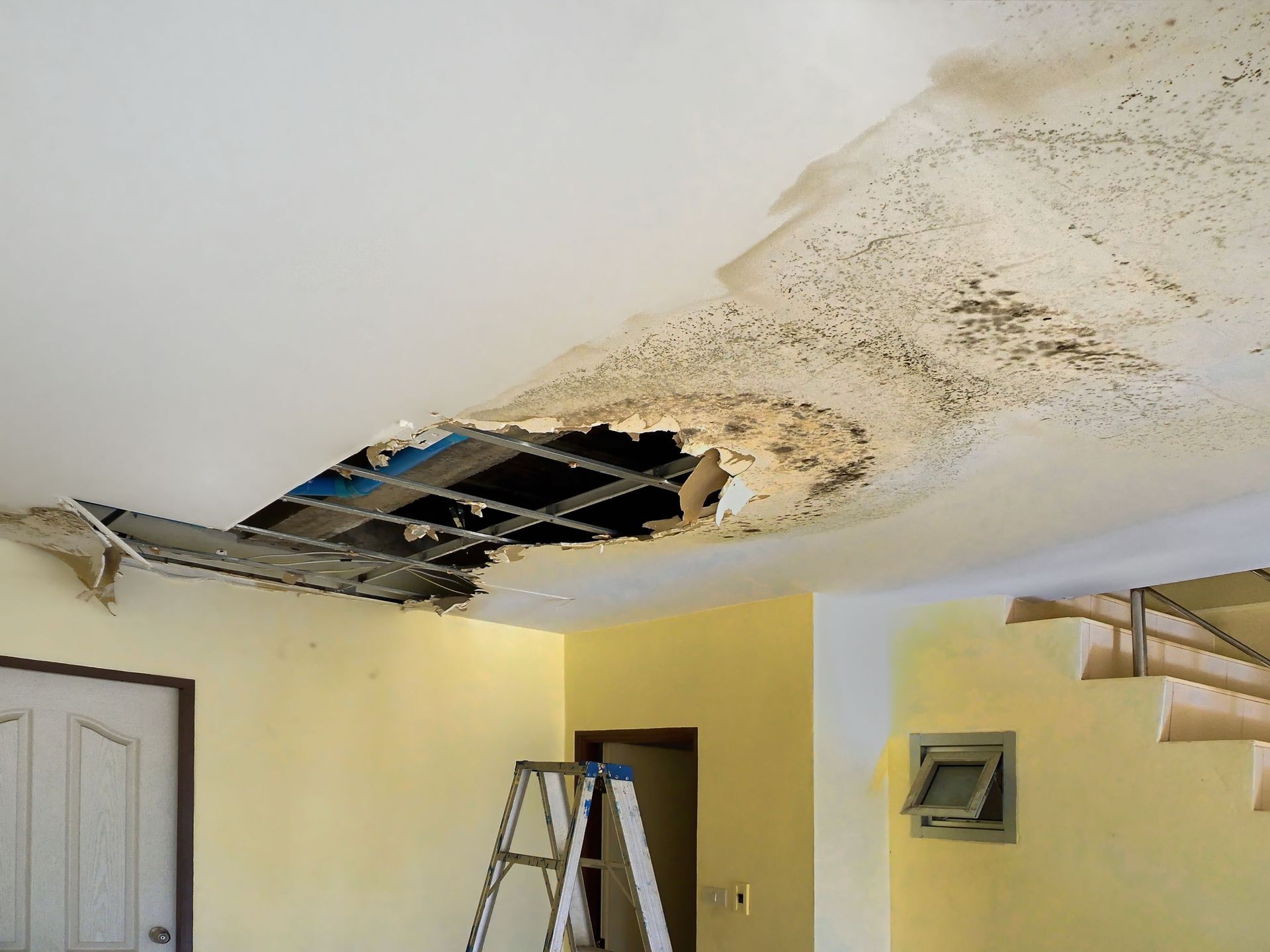
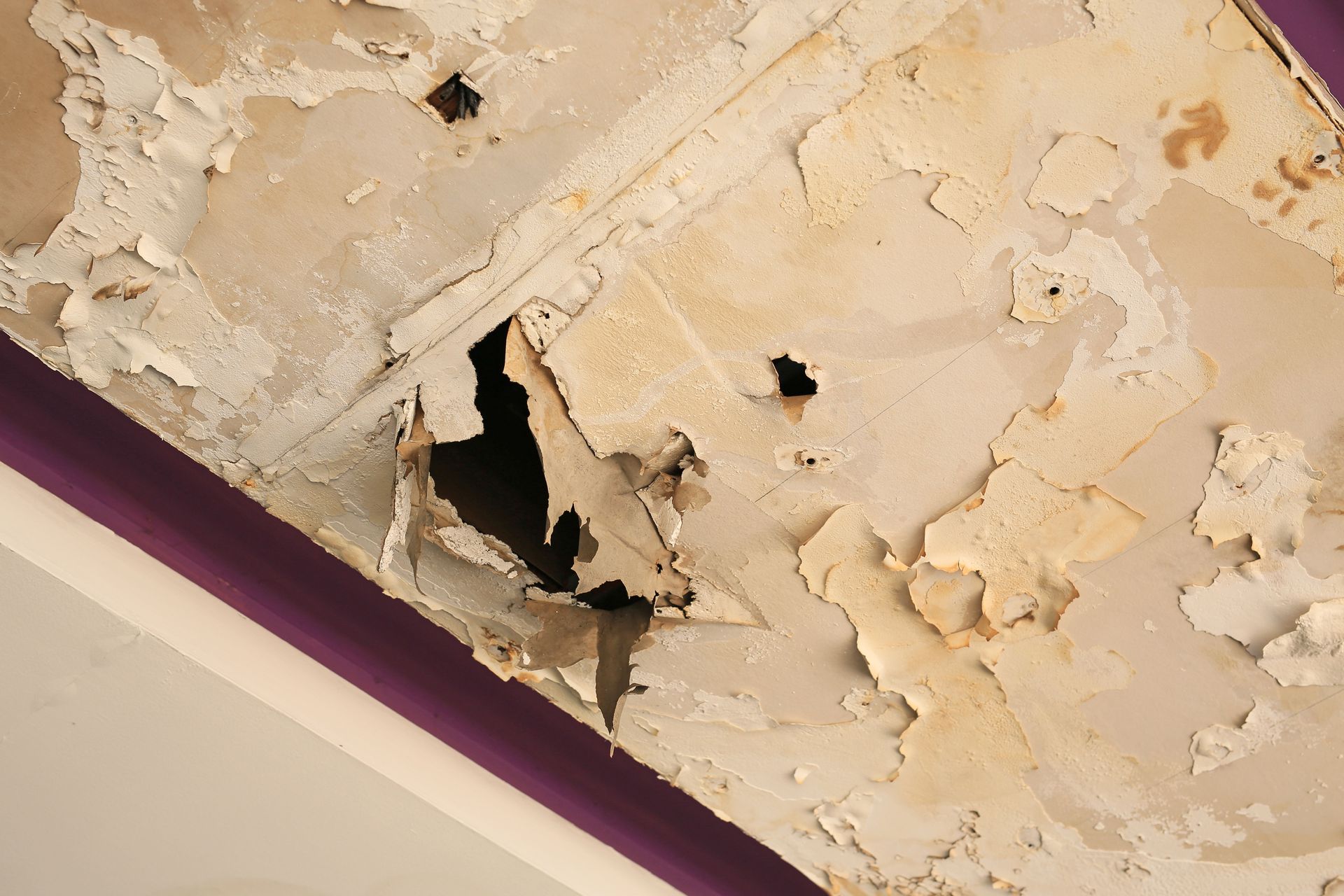
Water stains on ceilings, dripping during rainfall, and damp insulation in attic spaces are common indicators of roof-related water intrusion. Peeling paint or sagging drywall may appear once moisture has spread through structural materials. Addressing these warning signs early reduces the risk of extensive interior damage and limits the need for extensive water damage restoration services.
4. Dangerous Clogged Gutters
Clear Gutter Blockage
Clogs can prevent rainwater from flowing away from a home effectively. When debris blocks these drainage channels, water may overflow and run down exterior walls or accumulate near the foundation. Over time, this excess moisture can contribute to water intrusion in basements or crawlspaces, necessitating water damage restoration.
Inspect Gutters for Problems
Visible overflow during rainfall, sagging gutters filled with debris, or water stains along exterior walls can indicate drainage problems. Plant growth in gutters or damp soil around the perimeter of the home are also warning signs. Monitoring these conditions helps homeowners address issues before they require more extensive water damage restoration.
5. Problematic Poor Drainage
Resolve Drainage Problems
Poor drainage often occurs when water is not directed away from a building effectively. Landscaping that slopes toward a structure can cause water to collect near the foundation. Inadequate drainage systems may struggle to handle heavy rainfall, allowing water to accumulate around the property. Such conditions can lead to structural concerns and increase the need for water damage restoration.
Notice Drainage Issues
Pooled water after rainfall, persistent damp soil near the foundation, or cracks forming in basement walls can signal drainage concerns. Water entering lower levels of the home during periods of heavy rain also indicates that corrective measures are needed. Recognizing these indicators early allows homeowners to address problems before extensive water damage restoration is required.
Examine Drainage Problem Areas
Basements, crawlspaces, and low-lying sections of a property are particularly susceptible to drainage problems. Improper grading around sidewalks or driveways can also direct water toward the structure. Regular inspection of these areas helps identify potential concerns before they worsen, minimizing the scope of water damage restoration needed.
6. Risky Equipment Failures
Check Equipment for Failure
Household appliances such as water heaters, washing machines, and dishwashers can sometimes leak due to aging components or damaged hoses. When these components fail unexpectedly, water can quickly spread across floors and into nearby walls or cabinets. Prompt water damage restoration is often required to prevent long-term structural issues.
Maintain Equipment Properly
Routine inspection of appliance hoses and connections can reduce the risk of unexpected leaks. Replacing worn hoses and monitoring appliances for unusual sounds or vibrations helps identify issues early. Consistent maintenance supports safer operation and decreases the likelihood of water damage restoration needs.
Observe Equipment Warning Signs
Visible water around appliances, unusual noises, or inconsistent performance may indicate potential equipment issues. Identifying these warning signs early allows homeowners to take action before water spreads to surrounding building materials. Addressing these concerns promptly reduces the scope of water damage restoration required later.
7. Challenging Basement and Crawlspace Moisture
Stop Basement and Crawlspace Water
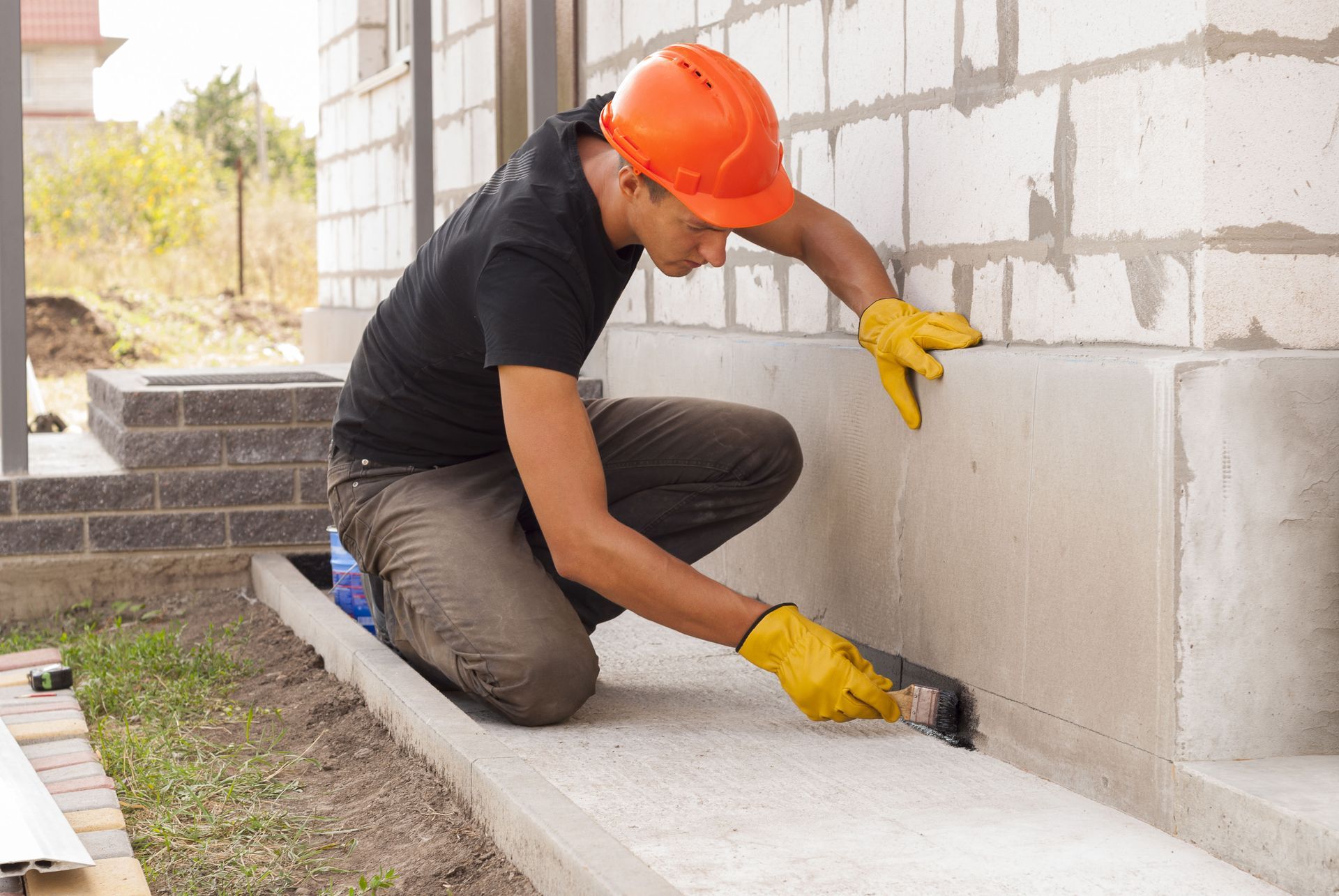
Basements and crawlspaces are particularly vulnerable to moisture intrusion because they are located below ground level. Water can enter through foundation cracks, gaps around pipes, or hydrostatic pressure that pushes groundwater toward foundation walls. When moisture accumulates in these areas, it can gradually affect structural materials and indoor air quality. Water damage restoration in these areas ensures that the property remains safe and habitable.
Detect Moisture Problems Below Home
Damp walls, musty odors, condensation on surfaces, or standing water are common signs of moisture problems in lower levels of a home. Crawlspaces may also show wet insulation, visible mold growth, or excess humidity. These conditions contribute to structural deterioration and require water damage restoration to maintain property integrity.
Understanding the common causes of water intrusion can help homeowners take practical steps to protect their property and reduce the risk of long-term damage. Paying attention to drainage conditions, maintaining plumbing systems, and addressing leaks quickly all contribute to a healthier and more stable home environment. When moisture begins to affect basements, crawlspaces, or structural materials, professional water damage restoration solutions may be necessary to fully resolve the issue. To learn more about our waterproofing, drainage, and water damage restoration services, homeowners can explore the resources offered by Bluegrass Waterproofing & Restoration.